More than just dots on a map: How location sharing quietly made our family life smoother
You know that moment when you’re standing in the grocery store, trying to remember if your partner already bought milk? Or when your parents are visiting a new city and you can’t stop checking your phone, worried they’ve gotten lost? I’ve been there too. But lately, something simple has taken that low-level family stress and quietly dissolved it—location sharing. It’s not about tracking or surveillance. It’s about peace of mind, better coordination, and more breathing room in our busy lives. What started as a small experiment in our household has become one of the most underappreciated tools we use—not because it’s flashy, but because it works. It’s not about watching each other; it’s about knowing we’re seen, supported, and connected, even when we’re apart.
The Little Things That Used to Cause Big Delays
Before we started using location sharing, our family ran on best intentions and constant texting. We meant well, but so much of our energy went into just staying in sync. I remember one rainy Tuesday when I was waiting at my daughter’s school for pickup, convinced my husband had it covered. He was equally sure I was on duty. By the time we figured it out, she’d been sitting in the front office for twenty minutes, trying not to cry. That moment still makes my stomach twist. It wasn’t anyone’s fault—just a simple miscommunication. But it left us all feeling frazzled and guilty.
Then there was the weekend we both thought the other had picked up dog food. We came home to an empty house, a very confused and hungry dog, and two grocery bags full of everything but the one thing we needed. These weren’t rare events. They happened often enough to wear us down. The worst part? The endless back-and-forth texts: “Are you leaving now?” “Did you get the bread?” “Where are you?” Each one felt like another tiny tug on an already strained rope.
What changed wasn’t better planning—it was better awareness. When we started sharing our locations just during the school run or errand days, it was like turning on a light in a dark hallway. Suddenly, I could see my husband was already two blocks from the school. I could tell my daughter was walking out of her tutoring session before she even texted. No more guessing. No more worry. Just a quiet, real-time picture of where everyone was. It didn’t replace communication, but it made our conversations more meaningful because they weren’t filled with status updates. We could talk about how her day went instead of spending five minutes confirming where she was.
This small shift didn’t just save time—it saved emotional energy. We stopped carrying that low hum of anxiety about whether we’d missed something important. Instead of reacting to problems, we could anticipate them. If I saw my teen was still at a friend’s house when she said she’d be home, I could text gently, “Hey, just checking in—do you need a ride?” instead of panicking an hour later. Location sharing didn’t make us perfect. But it gave us a little more space to be human.
Reuniting at the Theme Park: When Fun Meets Chaos
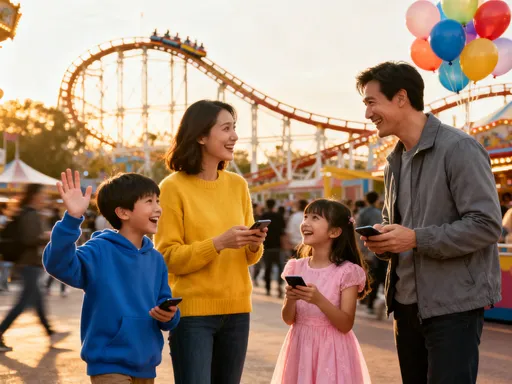
Family trips to amusement parks are supposed to be magical. But let’s be honest—by midday, they often feel more like survival mode. Last summer, we went to a popular theme park with my sister’s family. Three kids, two strollers, and a list of must-ride attractions. By 11 a.m., we were already split up. My niece wanted to see the parade, my son was desperate for the roller coaster, and my sister needed coffee. We agreed to meet at the food court at noon. But as the clock ticked, I kept circling the same area, calling, “Where are you?” into the wind.
That’s when my sister said, “Wait—let’s just share our locations for an hour.” We turned on temporary sharing through our phones, set a timer, and suddenly, we could all see each other as little dots moving across the map. No more shouting. No more retracing steps. I saw my brother-in-law was near the carousel, so I walked that way. My teen spotted me approaching and waved from fifty feet away. We met up in under three minutes. The relief was instant. What used to take twenty minutes of stress now took seconds.
But here’s what surprised me most—the kids loved it too. My daughter said, “I don’t feel like I’m being watched. I just know you’re close.” They didn’t feel controlled. They felt safe. They could explore with friends or ride attractions on their own, knowing we could find each other easily. It gave them freedom, not restriction. And for us parents, it meant we could actually enjoy the day instead of spending half of it searching for someone.
We used the same trick later when we got separated during the fireworks. Instead of standing in one spot like statues, afraid to move, we moved toward each other’s locations. We found a perfect viewing spot together, relaxed, and actually watched the show. That night, my husband said, “I can’t believe how much calmer today was.” And I realized—technology didn’t steal our attention. It gave it back to us. By solving the logistics quietly, it let us focus on what mattered: being together.
Helping Aging Parents Stay Independent (Without Worrying Constantly)
My mom lives alone, about twenty minutes from us. She’s sharp, active, and fiercely independent. But since my dad passed, I’ve caught myself checking my phone every time she’s out—especially if she’s driving to the next town for groceries or a doctor’s appointment. I don’t want to hover. I don’t want to make her feel like she’s not capable. But I also don’t want to get a late-night call because she got disoriented on a back road.
We talked about it openly. I said, “Mom, I love you. I don’t want to bother you with calls every time you leave the house. But I also don’t want to worry. Is there a way we can both feel better?” That’s when we explored location sharing—not as a constant watch, but as a gentle check-in tool. We agreed she’d share her location only when she was out running errands or returning home at night. And only with me and my sister. She could turn it off anytime. It was her choice.
The first time we used it, she was coming back from a doctor’s visit. Instead of calling her three times on the drive, I just glanced at my phone and saw her moving steadily down the highway. When her dot reached her driveway, I sent a simple text: “Glad you’re home safe.” She replied, “Didn’t even realize I was sharing—so easy.” That moment meant more than I expected. I felt calmer. She felt trusted. And neither of us had to perform the dance of “checking in” every time she stepped outside.
It’s not just about safety. It’s about dignity. She doesn’t want to be treated like she’s fragile. But she also appreciates knowing someone cares. Location sharing became a quiet way to say, “I’m here if you need me,” without saying it out loud. And for me, it lifted a weight I didn’t even realize I was carrying. I can focus on our conversations—her garden, her book club, her new recipe—instead of the background fear of “Is she okay?” That’s not control. That’s love in action.
Coordinating Family Errands Without the Chaos
Our household used to run on a whiteboard in the kitchen. Grocery lists, appointments, reminders—scribbled in different colors, often outdated by noon. Then came the era of the group text. “Who’s picking up the kids?” “Did we run out of laundry detergent?” “Can someone grab eggs?” The messages piled up, and half the time, no one knew who had responded. We’d show up at the store only to find out someone else had already bought the same thing. Or worse—we’d get home and realize we forgot the one thing we needed.
Now, our errand days look completely different. We don’t need a master planner. We don’t need a chore chart. We just need to glance at our phones. If I’m near the pharmacy, I can see my husband is already at the grocery store, so I’ll pick up the prescription. If my teen is walking home from soccer practice and passes the pet store, I’ll text, “Dog food’s running low—can you grab a bag?” He’ll check the app, see he’s right there, and say yes. No back-and-forth. No confusion. Just smooth, real-time teamwork.
What’s beautiful is how it’s brought my kids into the rhythm of household responsibility without making it feel like a chore. My daughter now says things like, “I’m near the mall—should I pick up your dry cleaning?” It’s not because I asked. It’s because she can see where everyone is and how she can help. That sense of contribution? That’s priceless. It’s not just about efficiency—it’s about connection. They feel like part of the team, not just people being managed.
And for us parents, it means fewer last-minute dashes, fewer forgotten items, and fewer arguments about “Who was supposed to do what?” We’re not perfect—sometimes we still forget things. But the stress level has dropped dramatically. We’ve replaced frustration with flexibility. Instead of rigid plans, we have a living system that adapts as the day unfolds. That’s not just smart. It’s kind.
Travel Made Simpler: Meeting Up in Unfamiliar Places
Traveling with family should be about making memories, not managing stress. But how many times have you stood in a busy airport, scanning the crowd, wondering where your people are? Last spring, we flew to visit my in-laws. My husband and I were arriving from different cities, and my mother-in-law was picking us up. The airport was massive—three terminals, confusing signs, and spotty cell service. In the past, we’d have agreed on a meeting spot, only to miss each other because one of us got delayed or took the wrong exit.
This time, we used live location sharing. As soon as I landed, I turned it on for two hours. My husband did the same. My mother-in-law could see both of us moving through security, then baggage claim. Instead of waiting at the curb, she drove to the closest exit where we were both approaching. We spotted her car in seconds. No circling. No cold waiting. No anxiety. Just a warm hug and the start of a joyful visit.
We’ve used the same trick at train stations in Europe, at music festivals, and even in huge shopping malls during holiday season. In places where signals fade and landmarks blur, that little dot on the map becomes a lifeline. It’s not about being dependent on technology—it’s about using it to protect something more valuable: our time together. When you’re tired, jet-lagged, or carrying too many bags, the last thing you need is to waste energy searching for each other.
And it’s not just for big trips. Even local meetups—like grabbing coffee with my sister in a new part of town—feel easier now. We don’t have to describe landmarks or guess where the parking is. We just share locations for ten minutes and walk toward each other. It’s simple. It’s fast. And it means we spend more time smiling and less time stressing. That’s the kind of small win that adds up over time.
Setting Boundaries: How We Share Without Overstepping
I’ll be honest—I was nervous about location sharing at first. It sounded a little too much like surveillance. What if it felt invasive? What if someone felt watched? And how do you talk about this with teens who value their privacy or older relatives who might see it as a sign of distrust?
The key, we learned, is consent and context. We don’t share locations 24/7. We don’t track each other like GPS units. Instead, we use it situationally—during trips, busy days, or when someone is out late. We talk about it first. My teen knows he can turn it off anytime. My mom chooses when to share. It’s not a default setting. It’s a tool we pull out when it helps.
We also made it mutual. Everyone has access, not just parents. My kids can see where I am when I’m driving home late. My husband can check if I’ve left the doctor’s office. It’s not one-sided. It’s about trust, not control. And because we use it sparingly, it doesn’t feel like an expectation—just a safety net.
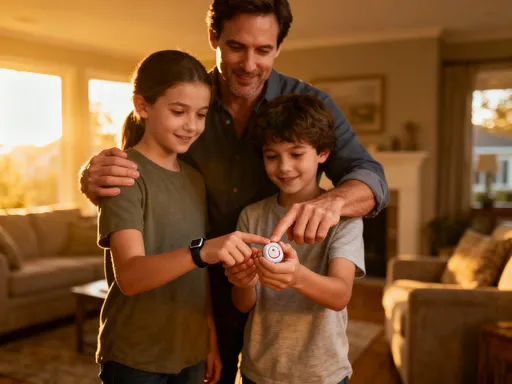
When we introduced it to my teenage son, we didn’t just say, “Turn this on.” We had a conversation. I said, “I’m not doing this to spy. I’m doing it so I don’t worry when you’re out late. And if you ever need a ride, I’ll know where you are.” He thought about it and said, “Okay, but only when I’m out after 9.” We agreed. That compromise made all the difference. Now, he sometimes turns it on himself if he’s running late. “Just so you don’t worry,” he’ll say. That small gesture means more than any rule ever could.
Setting boundaries isn’t about limiting technology—it’s about honoring relationships. When done with care and respect, location sharing becomes less about data and more about care. It’s not about knowing every move. It’s about knowing we’re not alone.
The Bigger Picture: Small Tech, Real Emotional Relief
At the end of the day, I don’t think about location sharing as a tech feature. I think of it as a quiet act of love. It’s the digital version of leaving the porch light on—subtle, but meaningful. It says, “I’m here. I’ve got you. You’re not alone.”
What surprised me most wasn’t the convenience—it was the emotional relief. The reduction in background stress. The fewer arguments. The deeper sense of connection. We’re not just better coordinated. We’re more present. We’re less reactive. We’re more patient with each other because we’re not operating in the dark.
Technology often gets blamed for pulling us apart—stealing our attention, creating distance, replacing real conversation. But this? This feels different. This is tech that serves us, not the other way around. It doesn’t demand our attention. It quietly supports our lives. It’s not loud or flashy. It doesn’t need to be. It just works.
And maybe that’s what we need more of—tools that don’t try to impress us but simply help us live better. Tools that make space for what matters: time with our kids, peace of mind for our parents, teamwork in our homes. Location sharing didn’t change our family. But it gave us a little more room to be who we already are—caring, busy, imperfect, and deeply connected.
So if you’ve been hesitant, I get it. Start small. Try it for one errand day. Talk about it with your people. Set boundaries together. You don’t have to share all the time. You just have to know it’s there when you need it. Because sometimes, the smallest dots on a map can lead to the biggest sense of calm. And honestly? That’s the kind of innovation every family deserves.