Tired of feeling disconnected from your parents’ stories? Here’s how to preserve them together
Tired of realizing too late that you never asked? You’re not alone. So many of us grow up hearing little snippets—Grandma mentioning she once worked at a hat shop, Dad laughing about a childhood prank—only to realize years later that those details vanished before we could catch them. Family histories aren’t just facts; they’re the threads that weave us together. But in our busy lives, those threads often slip through. The good news? You don’t need fancy skills or expensive tools to change that. With everyday technology already in your home, you can start preserving these stories—not just for the future, but as a way to connect, learn, and grow closer right now.
The Quiet Loss No One Talks About
Have you ever sat across from a parent or grandparent and suddenly realized you have no idea what their life was like before you existed? Maybe they mentioned something offhand—how they walked five miles to school, or how they saved up for their first record player—and you nodded, smiled, but didn’t write it down. A week later, you can’t remember the details. That moment is more than a forgotten anecdote. It’s a piece of your family’s soul quietly slipping away.
We don’t talk enough about how easily stories disappear. Unlike photos or heirlooms, spoken memories leave no trace unless someone makes the effort to capture them. And in today’s world, where families are often scattered across cities or even countries, those quiet kitchen-table conversations are rarer than ever. Life moves fast. We’re busy with work, kids, routines. And so, the stories that shaped who we are—where Mom learned to cook, how Grandpa survived hard times, what made your parents fall in love—get buried under the noise.
But here’s the truth: these stories aren’t just about the past. They shape how we see ourselves. When a child hears how their grandmother stood up for what was right during a tough time, it teaches courage. When a teenager learns how their grandpa taught himself to fix cars with nothing but library books, it builds resilience. These aren’t just memories—they’re quiet lessons passed down in voices, laughter, and pauses between words. And when they’re lost, we lose a part of our identity too.
The real tragedy isn’t that we don’t care. It’s that we wait. We tell ourselves, “I’ll ask next time.” But next time might not come. The good news? It’s never too late to start. And you don’t need a studio or a professional setup. All you need is a little intention, a little time, and the phone or tablet already in your hand.
Bridging the Gap with Everyday Tech
You might be surprised to learn that the tools to preserve your family’s history are already in your pocket. Your smartphone isn’t just for texting, scrolling, or taking vacation photos. It’s one of the most powerful memory-keeping devices ever created. And the best part? You don’t need to be tech-savvy to use it well.
Think about it: your phone can record high-quality audio. That means you can sit with your mom and press a button to capture her voice telling stories about growing up. No special app needed—just the Voice Memos app that comes with most phones. You can record for ten minutes, an hour, or just a few quick memories over coffee. Later, you can save those files to the cloud, share them with siblings, or even play them back during family gatherings.
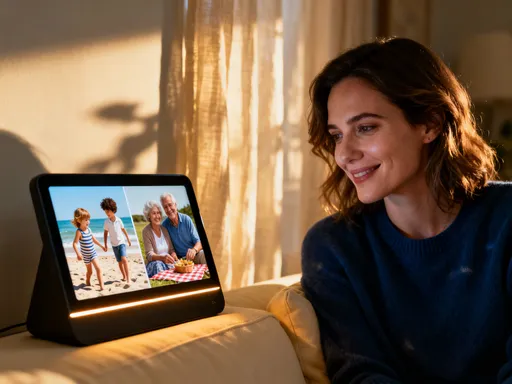
And what about those old photo albums sitting in a closet? The ones with yellowing pictures and handwritten notes on the back? They’re treasures, but they’re fragile. A spilled drink, a flood, or simply time can destroy them. But with your phone’s camera, you can scan them in minutes. Just open Google Photos or iCloud, take a clear picture of each photo, and the app automatically organizes them. Some even recognize faces and group them by person. Imagine your niece being able to click on “Grandma” and see her at 25, 40, 60—alive in images, not just stories.
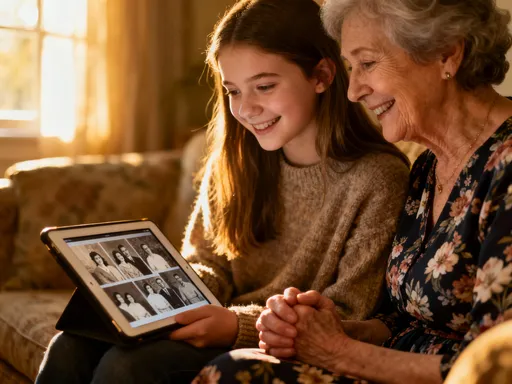
One family I know—a grandmother in her 70s and her 16-year-old grandson—started a shared album on Google Photos. Every Sunday, they add one old photo and one new one. He scans a picture of her wedding day; she takes a selfie with his dog. They leave little voice notes on each one. It started as a project, but now it’s their favorite way to stay close, even when they’re miles apart. It didn’t take special skills. Just curiosity, and a willingness to try.
The beauty of using everyday tech is that it’s not about perfection. It’s about presence. You don’t need studio lighting or a script. You just need to press record and listen. And in doing so, you’re not just saving memories—you’re creating new ones together.
Learning Together, Not Just Recording
Here’s where something beautiful happens: when preserving memories becomes a two-way street. It’s not just about kids interviewing elders. It’s about families learning from each other in real time. Parents share their past, and in return, they learn how to use video apps, share files, or even edit a short clip. Kids gain wisdom; elders gain confidence in the digital world. And both walk away feeling seen and valued.
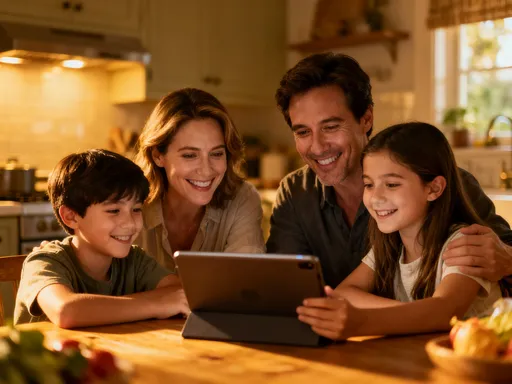
Take the example of Maria, a mother of two in Ohio. She wanted to save her parents’ stories but didn’t know where to start. Her 13-year-old daughter, Lily, suggested making a short video. “We can use iMovie,” she said. Maria had never used it before, but Lily showed her how to import clips, add music, and include text. Meanwhile, Maria shared stories about her childhood Christmases—the homemade ornaments, the radio playing carols, the way her dad always burned the potatoes. As they worked together, Maria wasn’t just teaching history. She was bonding in a new way—through a shared project that felt creative and meaningful.
This kind of collaboration does more than preserve the past. It builds bridges. When a grandparent learns to send a voice message through WhatsApp, they’re not just using an app. They’re saying, “I want to stay close to you.” When a child teaches their aunt how to upload a video to YouTube, they’re not just sharing a tutorial. They’re saying, “Your story matters.”
And the skills grow naturally. You don’t have to master everything at once. Start small. Record one story. Scan three photos. Try making a one-minute video with music. Over time, those small steps add up. The goal isn’t to create a documentary. It’s to create connection. And in the process, everyone learns something—about the past, about technology, and about each other.
One simple way to start is the “story swap.” Invite a parent or grandparent to share a memory, and in return, share one of your own. Use your phone to record it. Play it back together. Laugh at the details. Then save it in a shared folder. It becomes more than a file. It becomes a moment you both own.
Turning Memories into Meaningful Projects
Let’s be honest: no one wants to dig through a folder of unsorted audio files years from now. Preservation works best when it’s engaging, not overwhelming. That’s why so many families are turning memories into creative projects—things that are fun to make and even more fun to revisit.
One popular idea is the family audio diary. Pick a theme—“First Jobs,” “Favorite Holidays,” or “Lessons I’ve Learned”—and invite different family members to record a short clip. Use the Voice Memos app or any simple recorder. Compile them into a playlist. You can even add soft background music using free tools like GarageBand. Play it during a car ride or a quiet evening. Suddenly, Grandpa’s story about delivering newspapers in the snow isn’t just a fact. It’s an experience.
Another idea is the illustrated timeline. Using a free tool like Canva, create a visual journey of a family member’s life. Add scanned photos, short captions, and even audio links. Print it as a poster or share it digitally. One woman made one for her mother’s 80th birthday. Her siblings added their own memories. It became the centerpiece of the party—and now hangs in her living room.
And don’t overlook the power of short videos. Apps like YouTube Shorts or Instagram Reels let you create 60-second clips that pack emotion and story into a tiny space. Imagine a video of your dad saying, “The best advice I ever got was from my mom: always listen more than you speak.” Pair it with old photos. Add music. Share it with the family. These aren’t just keepsakes. They’re modern heirlooms.
The key is to keep it simple. You don’t need fancy equipment or editing skills. Start with what you have. Use the tools built into your phone. Focus on one story, one memory, one moment. When it feels like play instead of work, you’ll keep coming back to it. And over time, you’ll build something priceless—not because it’s perfect, but because it’s real.
Creating Rituals That Stick
Here’s a secret: the most successful family memory projects aren’t grand efforts. They’re small, consistent habits woven into everyday life. Think of them as rituals—little traditions that honor time, connection, and love.
One family I know has a “story call” every first Sunday of the month. It’s not long—just 20 minutes. A grandparent, two aunts, and three cousins hop on a video chat. They take turns sharing one memory. Sometimes it’s funny (“I once got stuck in a tree trying to rescue a kite”). Sometimes it’s tender (“I’ll never forget the day I held my baby sister for the first time”). They record the calls and save them in a shared cloud folder. Over time, they’ve built a library of voices, laughter, and life lessons.
Another family turns holiday gatherings into digitizing sessions. While the turkey rests, they pull out old photo boxes. Kids scan pictures with their phones; parents write captions. They play music from the past—Motown, country, old rock—and talk about what was happening in the world when each photo was taken. What started as a one-time project is now something everyone looks forward to. It’s not chores. It’s celebration.
You can start your own ritual too. Maybe it’s a 10-minute chat with your mom every time you visit. “Tell me about school when you were my age,” you say, pressing record. Or maybe it’s a “memory jar”—a shared digital folder where anyone can drop a voice note, photo, or video anytime inspiration strikes. The goal isn’t to do it perfectly. It’s to do it regularly. Because consistency builds connection. And connection builds legacy.
These rituals don’t have to take much time. In fact, the smaller they are, the more likely they’ll last. The point isn’t to create a museum. It’s to keep the stories alive in everyday moments. And when they become part of your routine, they stop feeling like work and start feeling like love.
When Tech Fails, Patience Wins
Let’s be real: not every attempt will go smoothly. Technology can be frustrating, especially when you’re learning. You might forget where you saved a file. A recording might cut off mid-sentence. Grandpa might forget his password—again. And that’s okay.
The truth is, setbacks are part of the process. What matters isn’t perfection. It’s persistence. One family lost a whole folder of scanned photos when a phone was reset. Instead of giving up, they turned it into a “re-scan weekend.” They invited cousins over, played music, and made it a party. “We’re doing it better this time,” they joked. And in the process, they found photos they’d missed the first round.
When tech feels overwhelming, go slow. Break tasks into small steps. Instead of saying, “Let’s digitize 200 photos today,” try, “Let’s do five.” Write simple instructions—like “How to Record a Voice Memo”—and keep them in a family group chat. Pair up “tech buddies”: a younger family member teams up with an older one to learn together.
And remember: the goal isn’t flawless execution. It’s connection. If a video freezes, laugh about it. If a file gets lost, start over. These moments of frustration often become part of the story too. “Remember when Aunt Linda tried to upload the video and it took three tries?” That’s not a failure. That’s family.
Patience isn’t just a virtue here. It’s the foundation. Because this work isn’t about technology. It’s about love, presence, and the willingness to show up—even when it’s messy. And when you do, you’re not just saving memories. You’re teaching the next generation that effort, care, and time are the truest forms of love.
A Legacy Built Together
At the end of the day, this isn’t really about apps, recordings, or digital folders. It’s about something deeper: the gift of being seen, heard, and remembered. When you sit with your father and ask, “What was your first job like?” you’re not just collecting data. You’re saying, “Your life matters to me.” And when he sees you saving his words, playing them back, sharing them with your children, he feels it. He feels valued. Loved. Part of something lasting.
The legacy you’re building isn’t measured in gigabytes or video length. It’s measured in moments—your daughter laughing at her great-grandmother’s accent, your nephew pausing a recording to say, “Wait, play that again.” It’s in the way a simple voice note can bring comfort on a hard day, or how a scanned photo can spark a dinner-table conversation that lasts an hour.
And perhaps the most beautiful part? This legacy isn’t just for the future. It’s for right now. Every time you press record, every time you scan a photo, every time you say, “Tell me more,” you’re not just preserving the past. You’re creating new memories with the people you love. You’re slowing down. Listening. Connecting.
So start where you are. Use what you have. Invite someone in. It doesn’t have to be perfect. It just has to be real. Because the stories are already there—waiting in voices, in photo corners, in half-remembered jokes. And with a little tech, a little time, and a lot of heart, you can bring them to life. Not as relics of the past, but as living threads of love, woven together, one memory at a time.