How I Fixed My Body with Qigong—No Gym, No Pills, Just Energy
For years, I felt run down—chronic aches, low energy, constant stress. I tried everything: diets, workouts, supplements. Nothing truly healed me until I discovered qigong. This ancient practice didn’t just ease my pain—it rewired how I move, breathe, and rest. In this guide, I’ll walk you through how qigong helped repair my body naturally, what changes I actually felt, and how you can start safely, no matter your fitness level.
The Breaking Point: When Modern Fixes Failed Me
There was a time when getting out of bed felt like a small victory. Every joint ached, my shoulders carried tension like armor, and even after eight hours of sleep, I woke up drained. I followed what I thought were the rules of good health: I walked daily, ate balanced meals, avoided sugar, and took a handful of supplements each morning. Yet, the fatigue didn’t lift. The stiffness in my lower back persisted. My mind felt foggy, and simple tasks required more effort than they should. I wasn’t sick—at least, not in any way a blood test could show—but I wasn’t well, either.
Doctors offered explanations ranging from mild arthritis to stress-related inflammation. Some suggested stronger pain relievers or antidepressants. I resisted. I didn’t want to mask the symptoms; I wanted to understand the root cause. I began to wonder: what if the problem wasn’t just physical, but energetic? This question led me to explore traditional Chinese medicine, where I first encountered the concept of *qi*—the vital life force that flows through the body. I learned that in this system, symptoms like fatigue, stiffness, and poor concentration weren’t just isolated issues but signs of disrupted energy flow.
It was during a wellness seminar that I watched a demonstration of qigong. An older woman moved slowly, almost dreamily, raising her arms as if lifting an invisible weight, then lowering them with deliberate grace. There was no sweat, no strain—just deep, rhythmic breathing and focused intention. I was skeptical at first. How could such gentle motions do anything meaningful? But something about her calm presence stayed with me. She looked rested. She looked whole. That moment planted a seed: what if healing didn’t require pushing harder, but learning how to move with more awareness?
What Is Qigong? More Than Just Movement
Qigong (pronounced “chee-gong”) is a mind-body practice with roots stretching back thousands of years in Chinese culture. At its core, it’s about cultivating and balancing *qi*, the body’s vital energy. This is achieved through coordinated techniques that blend slow, flowing movements, controlled breathing, and mental focus. Unlike high-intensity workouts that deplete energy to build strength, qigong works to conserve and enhance energy, making it accessible even to those with limited mobility or chronic conditions.
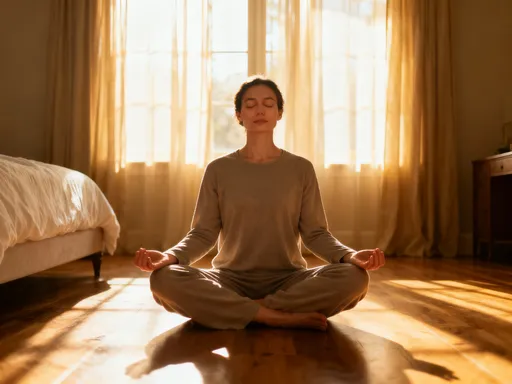
There are thousands of qigong forms, but most fall into two categories: active qigong, which involves gentle physical movements, and still qigong, which focuses on seated or standing meditation with breath and visualization. The practice is deeply tied to traditional Chinese medicine (TCM), which views health as a state of harmonious energy flow through pathways called meridians. When this flow is blocked or imbalanced—due to stress, injury, or lifestyle factors—discomfort and illness can arise. Qigong aims to clear these blockages and restore smooth circulation, supporting the body’s innate ability to heal itself.
It’s important to clarify what qigong is not. It is not yoga, though both emphasize breath and movement. Yoga often focuses on flexibility, strength, and alignment, sometimes holding poses for extended periods. Qigong, by contrast, prioritizes fluidity, internal awareness, and energetic sensation. It is also not meditation in the conventional sense, although mindfulness is a key component. While meditation may aim to quiet the mind, qigong actively engages the body, breath, and mind together in a dynamic process. Think of it as moving meditation with a purpose: to awaken and circulate life energy.
One of the most appealing aspects of qigong is its simplicity. You don’t need special equipment, a large space, or athletic ability. A quiet corner, comfortable clothes, and a willingness to slow down are enough. Because it’s low-impact and adaptable, it’s widely recommended for older adults, people recovering from illness, and those managing chronic pain. Hospitals and integrative health centers around the world now offer qigong programs as part of wellness and rehabilitation support, reflecting growing recognition of its benefits.
Why the Body Needs Energetic Repair
Modern life is hard on the body’s energy systems. We sit for hours at desks, stare at screens, rush from task to task, and rarely pause to breathe deeply. This constant state of activation keeps the nervous system in overdrive, leading to what many call “chronic stress.” From a Western medical perspective, this means elevated cortisol, increased inflammation, and reduced immune function. From a traditional Chinese medicine viewpoint, it means *qi* becomes stagnant or depleted.
Imagine the body as a battery. When fully charged and unblocked, energy flows smoothly, powering repair, digestion, focus, and resilience. But when the battery is drained—or when the wires are tangled—performance suffers. You might experience this as muscle tension, joint stiffness, poor sleep, or a general sense of being “off.” These aren’t just signs of aging or overwork; they’re signals that your body’s internal balance needs attention. Unlike a car that can be refueled with gas, the human body relies on a more subtle form of energy—one that responds not just to food and rest, but to breath, movement, and mental state.
TCM teaches that each organ system is associated with a specific type of *qi* and emotional state. For example, the liver is linked to smooth flow of energy and the ability to plan and adapt. When liver *qi* is blocked—often due to frustration or anger—it can manifest as irritability, headaches, or tightness in the shoulders and neck. The spleen governs digestion and mental clarity; when its energy is weak, you might feel bloated, fatigued, or mentally scattered. Qigong helps by gently stimulating these systems, encouraging energy to move where it’s needed and settle where it’s deficient.
This holistic model explains why qigong can have such wide-ranging effects. It doesn’t target one symptom in isolation; it supports the entire system. Research has shown that regular qigong practice can reduce markers of inflammation, improve heart rate variability (a sign of nervous system balance), and enhance sleep quality. These changes don’t happen overnight, but over time, the body begins to operate more efficiently, like a machine that’s been properly tuned.
My First Steps: Starting Simple and Staying Consistent
When I began qigong, I made the mistake of trying too much too soon. I found a complex routine online with dozens of movements and tried to follow along for 30 minutes. Within five minutes, I was frustrated, out of sync, and ready to quit. That’s when I realized: qigong isn’t about performance. It’s about presence. I scaled back and committed to just ten minutes a day, focusing on just two foundational exercises: “Lifting the Sky” and “Separating Heaven and Earth.”
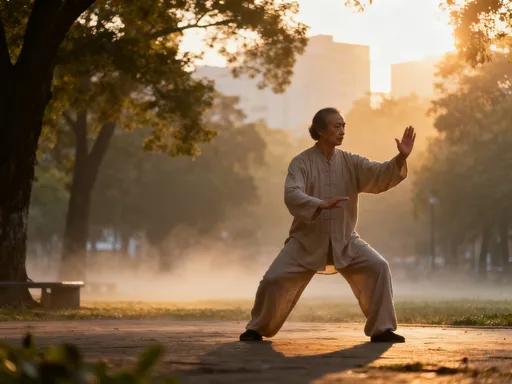
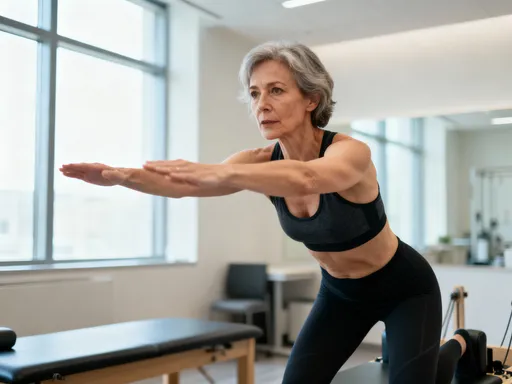
“Lifting the Sky” involves slowly raising the arms in front of the body, palms up, as if gathering energy from the ground, then lifting them overhead and lowering them back down with palms facing inward. It’s simple, but when done with attention to breath and alignment, it creates a gentle stretch through the spine and arms while encouraging deep diaphragmatic breathing. “Separating Heaven and Earth” is a standing movement where one hand rises above the head, palm up, while the other hand lowers toward the ground, palm down, then switching sides. This form promotes balance and lateral stretching while fostering a sense of connection between the body and the surrounding space.
At first, I struggled with coordination. My breathing was shallow, and my mind wandered constantly. I doubted whether I was “doing it right.” But I reminded myself that there was no perfect way—only my way. I focused on keeping my spine straight, my shoulders relaxed, and my breath slow and steady. I stopped comparing myself to the instructor in the video and instead tuned into how my body felt. Some days, I noticed warmth in my palms. Other days, a sense of calm washed over me by the end. These small signs kept me going.
Consistency turned out to be the real key. I practiced at the same time each morning, right after brushing my teeth. This habit stacking—linking qigong to an existing routine—made it easier to stick with. I didn’t worry about missing a day, but I aimed for regularity, not perfection. Within three weeks, the movements felt more natural. My breath deepened without effort. I began to look forward to those quiet minutes, not as a chore, but as a gift to myself.
What Changed—and When I Noticed It
The changes didn’t come dramatically. There was no sudden burst of energy or miraculous pain relief. Instead, improvements emerged gradually, like sunlight breaking through clouds. Around the fourth week, I realized I hadn’t reached for my pain reliever in days. The stiffness in my lower back, which used to greet me every morning, had softened. I could bend down to tie my shoes without wincing.
Sleep was one of the first areas to improve. I fell asleep more easily and stayed asleep through the night. I wasn’t waking up with that heavy, groggy feeling. Instead, I rose with a sense of quiet alertness. My breathing also changed. I noticed I was taking deeper, fuller breaths throughout the day, especially during stressful moments. This wasn’t intentional—it just happened as a result of training my body to breathe from the diaphragm during practice.
By the sixth week, my stamina increased. I could walk up a flight of stairs without feeling winded. I had more mental clarity during the day, and my focus improved. Tasks that used to feel overwhelming now seemed manageable. Emotionally, I felt less reactive. When something stressful happened—a delayed appointment, a family disagreement—I didn’t spiral into frustration as quickly. I paused. I breathed. I responded instead of reacting.
Perhaps the most unexpected change was a sense of lightness in my body. It wasn’t weight loss—though I did lose a few pounds—but a feeling of being less burdened, as if I was carrying less invisible weight. Movement felt easier, more fluid. I caught myself standing taller, walking with more ease. Friends noticed, too. One commented, “You seem more relaxed lately,” and another said, “You look like you’ve been on vacation.” I hadn’t—but I had finally learned how to rest while still being active.
How to Practice Safely and Effectively
Starting qigong safely begins with setting the right conditions. Choose a quiet, comfortable space where you won’t be interrupted. Wear loose, breathable clothing that allows free movement. You can practice barefoot or in soft shoes—what matters is that your feet feel grounded. Begin with just five to ten minutes a day. It’s better to practice briefly and consistently than to push for longer sessions and burn out.
Focus on posture first. Stand with your feet shoulder-width apart, knees slightly bent, spine straight but not rigid, shoulders relaxed, and chin slightly tucked. This is called the “wu ji” or neutral stance, and it’s the foundation of most qigong forms. From here, let your breath flow naturally at first, then gradually deepen it, allowing your belly to rise on the inhale and fall on the exhale. Avoid holding your breath or forcing the rhythm—let it unfold gently.
When learning movements, prioritize form over speed or duration. Move slowly, with intention. Each motion should feel smooth and connected, like water flowing. If you feel pain, stop. Qigong should never hurt. Discomfort or strain means you’re pushing too hard. Remember, this is a practice of softness and awareness, not exertion. If you have a medical condition—such as osteoporosis, joint issues, or heart disease—consult your healthcare provider before beginning. While qigong is generally safe, it’s wise to adapt the practice to your individual needs.
Don’t rely on random videos or apps without checking the instructor’s background. Look for teachers with training in traditional qigong or integrative health practices. Reputable organizations and wellness centers often offer beginner classes, either in person or online. Avoid any program that promises quick cures or dramatic transformations—qigong is a gradual practice. Its power lies in consistency, not intensity. Most importantly, view qigong as a complement to, not a replacement for, professional medical care. It supports wellness, but it doesn’t substitute for diagnosis or treatment.
Making Qigong a Lifelong Habit
For qigong to truly transform your health, it needs to become part of your daily rhythm. The most successful practitioners don’t treat it as a workout to check off a list, but as a form of self-care, like brushing your teeth or drinking water. I’ve woven it into my life in small, sustainable ways. I start my day with ten minutes of gentle movement and breath. At work, I take two-minute breaks to stand, stretch, and breathe deeply. In the evening, I do a short sequence to wind down before bed.
These moments add up. Over time, qigong has shifted from being a “fix” for my aches and fatigue to a daily act of listening to my body. It’s taught me to notice tension before it becomes pain, to catch shallow breathing before it leads to stress, and to honor my energy levels instead of pushing through exhaustion. This awareness has spilled over into other areas of my life—I eat more mindfully, speak more calmly, and move with greater ease.
To keep the practice alive, I vary my routines. I explore different forms, such as “Eight Brocades” or “Five Animal Frolics,” which add variety and keep me engaged. I also journal occasionally about how I feel before and after practice. This helps me track subtle shifts and stay motivated. When I travel, I bring a simple routine I can do in a hotel room. No special gear, no gym membership—just my body and my breath.
Most importantly, I’ve learned to let go of perfection. Some days, my mind is busy. Some days, I skip practice. That’s okay. Qigong isn’t about being flawless; it’s about showing up. It’s about giving your body a chance to reset, to recharge, to remember its natural rhythm. In a world that values speed and output, qigong is a quiet rebellion—a daily reminder that healing doesn’t always require more effort, but sometimes, just a little more attention.
Qigong didn’t just help me heal—it taught me to listen to my body again. This practice isn’t about perfection; it’s about presence. By restoring energy flow, it supports natural repair in ways pills and workouts often miss. If you’re tired of temporary fixes, consider giving gentle movement a real chance. Your body might just thank you.