How Tai Chi Quietly Transformed My Recovery Journey
For years, I struggled with slow recovery after injuries and constant low energy. I tried intense workouts, but they often made things worse. Then I discovered tai chi — not as a quick fix, but as a long-term companion. It didn’t shout for attention, but over time, my body began to heal in ways I hadn’t expected. This is the story of how gentle movement redefined my recovery, one quiet breath at a time.
The Breaking Point: When Pushing Harder Backfired
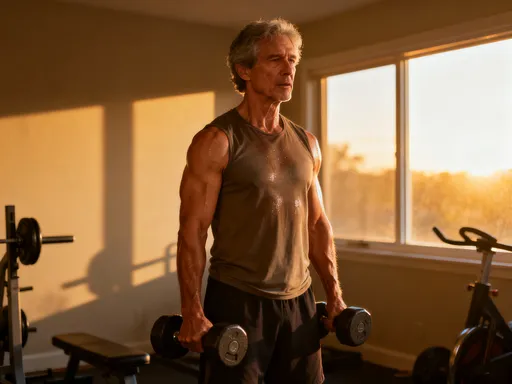
There was a time when I believed more effort always led to better results. I filled my mornings with high-intensity interval training and my evenings with strength sessions, convinced that pushing through pain was the only path to progress. At first, the results seemed promising—increased stamina, firmer muscles, a sense of accomplishment. But over time, the gains plateaued, and my body began to protest in subtle but persistent ways. Chronic stiffness settled into my shoulders and lower back. My joints ached after minor activity. Even simple tasks like bending down to tie my shoes or carrying groceries left me sore for days.
The turning point came after a minor fall on a wet sidewalk. What should have been a momentary stumble turned into weeks of discomfort. An X-ray showed no fracture, but my recovery was painfully slow. My doctor advised rest and cautioned against overexertion. I felt frustrated—how could someone who exercised regularly be so fragile? That question led me to reevaluate everything I thought I knew about fitness. I began to realize that I had been treating my body like a machine that needed constant revving, rather than a living system that required balance, rest, and care. The missing piece wasn’t more effort—it was recovery.
It was then that I started to consider alternative forms of movement—ones that didn’t demand strength or speed, but instead emphasized awareness, alignment, and gentle motion. I wasn’t looking for a new workout. I was searching for a way to heal without causing further harm. That search eventually led me to tai chi, a practice I had seen in parks and documentaries but had always dismissed as too slow to be effective. I had no idea it would become the foundation of my recovery.
Discovering Tai Chi: A Slow Fix in a Fast World
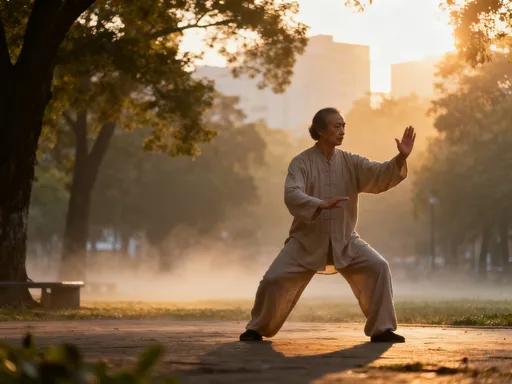
My first encounter with tai chi was through a short online video. I watched an older man move slowly through a series of flowing motions in a quiet park, his arms gliding like water, his breath steady and deep. It looked peaceful, almost meditative, but I couldn’t understand how such gentle movements could have any real physical benefit. My mindset was still rooted in the belief that if you weren’t sweating, breathing hard, or feeling sore afterward, you hadn’t truly exercised. Tai chi seemed more like performance art than fitness.
Still, curiosity got the better of me. I found a beginner-friendly tutorial and decided to try a ten-minute session in my living room. The instructions emphasized posture, breath, and intention. I felt awkward at first—my movements were stiff, my balance wobbled, and I kept losing focus. But by the end, something surprising happened: I felt calmer. My mind, usually racing with to-do lists and worries, had settled. My body, often tense and reactive, felt lighter. I didn’t feel stronger or fitter, but I felt more present.
I continued practicing a few times a week, not because I expected dramatic changes, but because it felt manageable. Unlike other forms of exercise that left me drained, tai chi seemed to restore rather than deplete. The benefits didn’t arrive overnight. There were no sudden bursts of energy or miraculous pain relief. Instead, the changes were subtle—a little less stiffness in the morning, a slightly easier time getting up from a chair, a growing sense of bodily awareness. Over time, these small shifts began to add up. I started to appreciate that healing doesn’t always come from intensity. Sometimes, it comes from consistency, patience, and the quiet act of showing up for yourself.
Why Tai Chi Works for Long-Term Recovery (The Science Made Simple)
Tai chi is often described as “meditation in motion,” but it also has tangible physiological effects that support long-term recovery. One of its core principles is low-impact, controlled movement, which gently engages muscles and joints without overloading them. This makes it especially beneficial for people recovering from injury or dealing with chronic conditions like arthritis or fibromyalgia. Research has shown that tai chi can improve joint flexibility and reduce stiffness by promoting synovial fluid circulation—the natural lubricant within joints.
Another key benefit lies in its effect on the nervous system. Unlike high-intensity exercise, which activates the sympathetic nervous system (the “fight or flight” response), tai chi encourages activation of the parasympathetic nervous system—the body’s “rest and digest” mode. This shift helps lower cortisol levels, reduce inflammation, and support tissue repair. A 2010 study published in the Archives of Internal Medicine found that older adults who practiced tai chi experienced significant improvements in balance and a reduced risk of falls—critical factors in long-term physical resilience.
Blood flow is another important factor. The slow, deliberate motions of tai chi promote circulation without spiking heart rate or straining the cardiovascular system. Improved blood flow means more oxygen and nutrients reach damaged tissues, aiding recovery. Additionally, the mindful breathing techniques used in tai chi help expand lung capacity and improve oxygen exchange, which can reduce fatigue and support energy levels over time.
While tai chi is not a cure for medical conditions, it functions as a powerful support tool. It doesn’t replace physical therapy or medical treatment, but it complements them by creating an internal environment where healing can occur more efficiently. For someone in recovery, this kind of gentle, systemic support can make a meaningful difference in how the body responds to injury and stress.
The Mind-Body Reset: How Movement Became Meditation
One of the most unexpected benefits of tai chi was its impact on my mental and emotional well-being. At first, I approached it purely as a physical practice—a way to regain mobility and reduce pain. But I soon realized that tai chi was just as much about the mind as it was about the body. Each movement requires focus: where your weight shifts, how your breath aligns with your arms, the subtle tension in your fingertips. This level of attention pulls you out of autopilot and into the present moment.
Over time, I began to notice changes beyond my physical symptoms. My sleep improved. I wasn’t waking up in the middle of the night with racing thoughts or physical discomfort. I felt more emotionally balanced—less reactive to daily stressors, more patient with myself and others. This wasn’t because my life had changed, but because my relationship with my body had shifted. I was no longer at war with it, demanding performance and punishing it for fatigue. Instead, I was learning to listen, to respond with care rather than force.
This integration of movement and mindfulness is what sets tai chi apart from most other forms of exercise. Running, cycling, or weightlifting can be meditative for some, but they often emphasize output—distance, speed, reps. Tai chi emphasizes input: sensation, breath, awareness. It teaches you to notice when your shoulders are tense, when your breath is shallow, when your mind has wandered. These small moments of awareness build into a deeper understanding of your body’s signals, which is essential for sustainable recovery.
For women in their 30s to 50s—who often juggle family, work, and personal health—this kind of practice can be transformative. It’s not about adding another task to the list, but about redefining how we move through our days. Tai chi offers a space to pause, to reconnect, and to restore—not just physically, but mentally and emotionally.
Building a Sustainable Practice: What I Actually Do
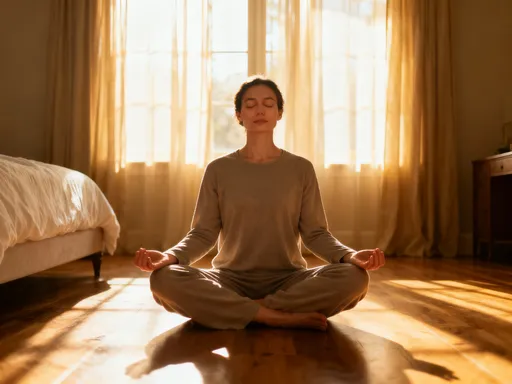
One of the biggest misconceptions about tai chi is that you need hours of training or perfect form to benefit. In reality, consistency matters far more than precision. My own practice is simple: 15 to 20 minutes each morning, usually right after waking. I don’t aim for perfection—I don’t even wear special clothes. I stand in my living room, barefoot, and follow a short routine I’ve learned from free online videos and a local community class I attended a few months ago.
I started with just five minutes a day, focusing on basic stances and breathing. The key was showing up, even on days when I didn’t feel like it. Some mornings, my mind is scattered, and I lose track of the sequence. Other days, my body feels stiff, and my balance is off. But I’ve learned that these are not failures—they’re part of the process. The practice isn’t about achieving a flawless performance; it’s about creating a daily ritual of presence and care.
For beginners, I recommend starting with guided videos from reputable sources like the National Institute on Aging or nonprofit wellness organizations. Many offer tai chi programs specifically designed for older adults or those with limited mobility. The movements can be adapted—done seated, with support, or at a slower pace. The goal is not to mimic a master, but to find a version that works for your body.
What’s made the difference for me is treating tai chi not as a workout, but as a form of self-respect. It’s the one part of my day where I’m not trying to fix, improve, or push myself. I’m simply being with my body as it is. That shift in mindset has made the practice sustainable—something I look forward to, rather than another obligation.
What Changed Over Time: Physical and Emotional Gains
The changes didn’t happen overnight, but after several months of regular practice, I began to notice real differences. My morning stiffness decreased significantly. I could bend down to pick up something from the floor without wincing. My posture improved—my shoulders no longer hunched forward from years of desk work. I also experienced fewer flare-ups of old injuries, particularly in my lower back and knees. These weren’t dramatic transformations, but they added up to a new level of comfort and ease in daily life.
Equally important were the emotional shifts. I became more patient with my recovery process. Instead of feeling frustrated when progress was slow, I began to appreciate the small victories—standing taller, breathing deeper, moving with more fluidity. This patience extended beyond my physical practice. I found myself more present with my family, less reactive in stressful situations, and more compassionate toward myself when things didn’t go as planned.
Another unexpected benefit was increased body awareness. I started to notice subtle signals—when I was holding tension in my jaw, when I was slouching at my desk, when my breath became shallow during a busy day. This awareness allowed me to make small adjustments throughout the day, preventing minor tensions from turning into chronic pain. It was as if tai chi had tuned me into a frequency I had been ignoring for years.
Looking back, the most significant change wasn’t any single physical improvement, but the cumulative effect of showing up for myself every day. The practice didn’t just help me recover from past injuries—it helped me build resilience for the future. It taught me that healing is not a race, but a rhythm—one that requires rest, repetition, and gentle persistence.
Why This Isn’t Just Exercise—It’s a Recovery Mindset
Tai chi has given me more than physical relief. It has reshaped how I think about health and recovery. In a culture that often glorifies speed, intensity, and visible results, tai chi offers a quiet counter-narrative: that healing happens in stillness, in slowness, in listening. It teaches you to honor your body’s limits, not as weaknesses, but as valuable information. This mindset has influenced every aspect of my wellness journey—from how I exercise to how I rest, from how I eat to how I manage stress.
Recovery is not just about fixing what’s broken. It’s about creating a sustainable relationship with your body—one built on trust, respect, and care. Tai chi fosters that relationship by encouraging mindfulness, consistency, and self-compassion. It reminds you that you don’t have to push, strain, or suffer to make progress. Sometimes, the most powerful movements are the ones that feel almost invisible.
This practice is not a trend or a quick fix. It’s a philosophy—a way of moving through life with greater awareness and gentleness. For women navigating the complex demands of midlife, it offers a rare gift: a moment of peace, a space to reconnect, and a path to healing that doesn’t demand more from an already-full cup.
Healing is not about how fast you move, but how well you listen. It’s not about how hard you push, but how deeply you care. Tai chi taught me that true strength isn’t always loud. Sometimes, it’s found in the quiet breath, the gentle stretch, the decision to begin again—softly, steadily, and with intention.