You Won’t Age the Way You Think—Here’s What Actually Works
Aging isn’t just about wrinkles or gray hair—it’s a daily conversation between your choices and your cells. I used to think aging was inevitable, until I noticed real changes by shifting simple habits. This isn’t about chasing youth; it’s about staying strong, clear, and vibrant. What if the secret isn’t in a bottle, but in how you live? Let’s explore what truly slows aging, backed by science and real-life results.
The Myth of “Normal Aging” – And Why It’s Not Inevitable
For decades, society has accepted fatigue, joint stiffness, memory lapses, and low energy as natural parts of growing older. But modern science tells a different story: these are not signs of aging itself, but symptoms of accelerated aging driven by lifestyle. The truth is, chronological age—how many birthdays you’ve celebrated—is not the same as biological age, which reflects the actual condition of your cells, organs, and systems. Two people can be the same chronological age, yet one may have the energy and resilience of someone much younger due to better biological health.
Biological age is malleable. Studies from institutions like the Mayo Clinic and the National Institutes of Health have shown that lifestyle choices—diet, movement, sleep, and emotional well-being—can either speed up or slow down cellular aging. For example, telomeres, the protective caps at the ends of chromosomes, shorten as we age. But research has found that individuals who maintain healthy lifestyles have longer telomeres than their less healthy peers, even when chronological age is the same. This means the body can age more slowly than the calendar suggests.
The concept of healthspan—the number of years lived in good health—is now at the forefront of longevity science. Instead of merely extending lifespan, the goal is to extend the period of life free from chronic disease, frailty, and cognitive decline. This shift in focus empowers individuals to take action. Aging well is not about waiting for decline; it’s about preventing it. When women in their 40s, 50s, and beyond understand that energy, clarity, and strength are within reach, they can move from passive acceptance to active stewardship of their health.
Accepting fatigue or brain fog as “normal” can become a self-fulfilling prophecy. Once a woman believes she’s too old to feel vibrant, she may stop exercising, eat convenience foods, and withdraw socially—all of which accelerate decline. But when she realizes that energy and mental sharpness are not lost to time but eroded by habits, she regains agency. The first step toward aging well is simply refusing to accept poor health as inevitable.
What Really Ages Your Body? The Hidden Triggers You Ignore
Beneath the surface, aging is driven by biological processes that most people never hear about: chronic inflammation, oxidative stress, and glycation. These are not abstract scientific terms—they are real forces that break down tissues, impair cell function, and accelerate the visible and invisible signs of aging. The good news is that they are largely influenced by daily choices, which means they can be managed.
Inflammation is the body’s natural response to injury or infection. But when it becomes chronic—fueled by poor diet, lack of sleep, and stress—it turns from protector to aggressor. Chronic inflammation damages blood vessels, joints, and even brain cells. It’s linked to conditions like heart disease, arthritis, and cognitive decline. Ultra-processed foods, especially those high in refined sugars and unhealthy fats, are major contributors. A diet rich in packaged snacks, sugary drinks, and fast food keeps the body in a constant state of low-grade alarm, wearing down its defenses over time.
Oxidative stress occurs when there’s an imbalance between free radicals—unstable molecules that damage cells—and antioxidants, which neutralize them. Free radicals are produced naturally during metabolism, but their levels skyrocket with poor lifestyle habits. Smoking, excessive alcohol, pollution, and even prolonged sun exposure increase oxidative stress. Over time, this damage accumulates, contributing to wrinkles, weakened immunity, and organ dysfunction. Antioxidants from whole foods like berries, leafy greens, nuts, and colorful vegetables help counteract this damage, but only if they’re consistently consumed.
Glycation is another silent aging accelerator. It happens when sugar molecules attach to proteins like collagen and elastin, forming harmful compounds called AGEs (advanced glycation end products). These stiffen tissues, leading to sagging skin, stiff joints, and reduced organ flexibility. Diets high in sugar and grilled or fried foods increase AGEs. Even if you don’t eat dessert daily, hidden sugars in sauces, breads, and packaged foods can fuel this process. The result? Premature aging at the cellular level.
These three forces—inflammation, oxidative stress, and glycation—work silently, often without immediate symptoms. A woman might feel “fine” while her cells are under constant assault. That’s why awareness is critical. Recognizing that everyday choices—what you eat, how you sleep, how you manage stress—directly influence these processes is the first step toward change. You don’t need to be perfect, but you do need to be mindful.
The Power of Metabolic Health – Your Inner Clock’s Best Friend
Metabolic health is one of the most powerful yet overlooked factors in aging. It refers to how well your body processes energy from food, particularly how it manages blood sugar and insulin. When metabolic health declines, it sets off a chain reaction that accelerates aging. Insulin resistance—when cells stop responding effectively to insulin—is now recognized as a key driver of chronic disease and biological aging.
Many women begin to notice signs of poor metabolic health in midlife: weight gain around the abdomen, energy crashes in the afternoon, difficulty losing weight despite dieting, and increased hunger. These are not just annoyances—they are red flags. Insulin resistance leads to higher blood sugar levels, which in turn fuels inflammation, oxidative stress, and glycation. It also disrupts hormones, affects sleep, and increases the risk of type 2 diabetes, heart disease, and even dementia.
The good news is that metabolic health can be improved at any age. You don’t need a strict diet or medication to make a difference. Simple, sustainable changes can restore balance. One of the most effective strategies is meal timing. Eating within a consistent window—such as 8 to 12 hours each day—gives the body a break from constant insulin production. This practice, often called time-restricted eating, has been shown in studies to improve insulin sensitivity and reduce inflammation.
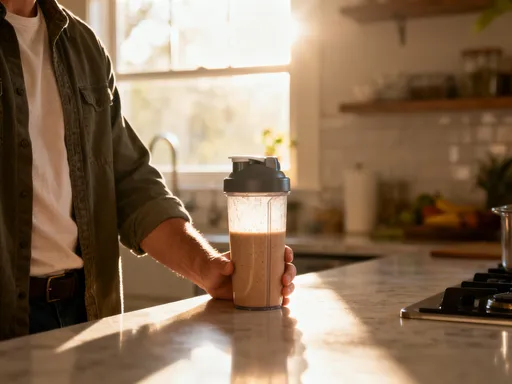
Food quality matters just as much as timing. Choosing whole, unprocessed foods—vegetables, fruits, legumes, whole grains, lean proteins, and healthy fats—helps stabilize blood sugar. Instead of a breakfast of sugary cereal or a pastry, a meal with eggs, avocado, and spinach provides steady energy. Swapping white bread for whole grain, soda for water or herbal tea, and packaged snacks for nuts or fruit can make a measurable difference over time.
Physical activity also plays a key role. Moving after meals—such as a 10- to 15-minute walk—helps muscles absorb glucose from the bloodstream, reducing blood sugar spikes. This doesn’t require intense exercise; even light movement is effective. Over time, these small habits protect metabolic function, preserving energy, mental clarity, and long-term health.
Movement That Matters – Not More, But Smarter
When it comes to aging, muscle is one of your greatest allies. After age 30, adults lose 3% to 5% of muscle mass per decade—a process called sarcopenia. By midlife, this loss can lead to weakness, poor balance, and increased risk of falls. But muscle isn’t just about strength; it’s a metabolic organ that helps regulate blood sugar, supports joint health, and burns calories even at rest. Maintaining muscle mass is one of the most powerful ways to slow biological aging.
The good news is that you don’t need to spend hours in the gym or lift heavy weights to benefit. What matters most is consistency and variety. Natural, everyday movements—walking, climbing stairs, gardening, carrying groceries, stretching—add up in meaningful ways. These activities engage multiple muscle groups, improve circulation, and support joint flexibility. Walking, in particular, is a cornerstone of longevity. Studies show that women who walk regularly have lower rates of heart disease, better cognitive function, and improved mood.
Beyond walking, incorporating short bursts of movement throughout the day can boost mitochondrial health. Mitochondria are the energy factories inside cells, and their function declines with age. But research shows that brief, frequent activity—like standing up every hour, doing a few squats, or marching in place during TV commercials—can stimulate mitochondrial repair and efficiency. This type of movement is especially important for those with sedentary jobs or lifestyles.
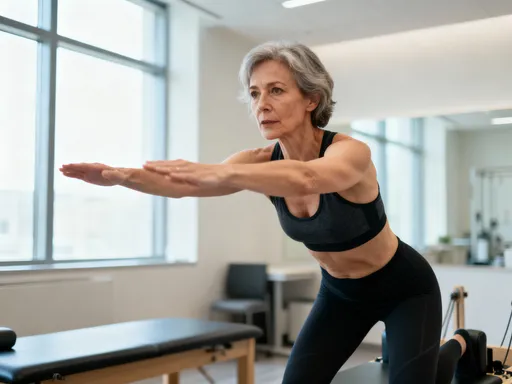
Strength training, even in small doses, is also essential. Using body weight, resistance bands, or light dumbbells just two or three times a week can preserve and even rebuild muscle. Simple exercises like wall push-ups, seated rows with a band, or step-ups on a low platform are safe and effective for beginners. The goal isn’t to look a certain way, but to stay capable—able to carry luggage, play with grandchildren, or get up from a chair without strain.
The key is to shift from thinking about exercise as a chore to seeing movement as self-care. It’s not about intensity or appearance; it’s about function and freedom. When a woman prioritizes daily movement, she invests in her future independence and vitality.
Sleep: The Ultimate Cell Repair Tool (And How to Get More of It)
While you sleep, your body performs essential maintenance: repairing tissues, clearing brain waste, balancing hormones, and strengthening immunity. Sleep is not downtime—it’s active restoration. Yet, millions of women struggle with poor sleep, often accepting it as a normal part of aging. In reality, chronic sleep deprivation accelerates aging at the cellular level.
During deep sleep, the brain activates the glymphatic system, a waste-clearance process that removes toxins like beta-amyloid, a protein linked to Alzheimer’s disease. Without sufficient deep sleep, this cleanup is impaired, increasing the risk of cognitive decline. Sleep also regulates cortisol, the stress hormone. Poor sleep leads to higher cortisol levels, which in turn increases inflammation, disrupts blood sugar, and promotes fat storage—especially around the abdomen.
Unfortunately, sleep quality often declines with age due to hormonal changes, stress, or medical conditions. But lifestyle choices play a major role too. Exposure to blue light from screens in the evening suppresses melatonin, the hormone that signals sleep. Eating heavy meals late at night, consuming caffeine after noon, or having an irregular bedtime can all interfere with restful sleep.
The solution lies in sleep hygiene—simple, evidence-based habits that support natural sleep rhythms. Going to bed and waking up at the same time every day, even on weekends, helps regulate the body’s internal clock. Getting morning sunlight within an hour of waking reinforces this rhythm by suppressing melatonin and boosting alertness. Creating a wind-down routine—such as reading, gentle stretching, or listening to calming music—signals the body that it’s time to rest.
Reducing screen time at least one hour before bed is one of the most effective changes. If needed, using blue light filters or switching to warm lighting in the evening can help. Keeping the bedroom cool, dark, and quiet also supports deeper sleep. For women who wake during the night, avoiding the urge to check the time or scroll through a phone can prevent further disruption.
Better sleep isn’t a luxury; it’s a biological necessity. When a woman prioritizes rest, she gives her body the time it needs to heal, reset, and stay resilient.
Mindset and Longevity – How Your Thoughts Shape Your Cells
Your thoughts and emotions are not just fleeting experiences—they have a direct impact on your biology. Chronic stress, anxiety, and feelings of isolation activate the body’s fight-or-flight response, flooding it with stress hormones like cortisol and adrenaline. When this state becomes constant, it wears down the body, accelerating aging. One of the most compelling findings in longevity research is that chronic stress shortens telomeres, effectively aging cells faster.
But the reverse is also true: positive emotional states can protect and even reverse cellular aging. Studies from the University of California and Harvard have shown that women who report higher levels of optimism, purpose, and social connection tend to live longer and healthier lives. They have lower rates of heart disease, stronger immune function, and better cognitive health. This isn’t about forced positivity or ignoring life’s challenges; it’s about cultivating resilience, gratitude, and meaningful connections.
Social engagement is a powerful longevity tool. Women who maintain close friendships, participate in community activities, or spend regular time with family have better mental and physical health. Loneliness, on the other hand, has been linked to higher inflammation, weakened immunity, and increased risk of early death—on par with smoking or obesity. Simple acts like calling a friend, joining a book club, or volunteering can provide a sense of belonging and purpose.
Practices like gratitude journaling—writing down three things you’re thankful for each day—have been shown to reduce stress and improve sleep. Mindfulness and deep breathing exercises can calm the nervous system, lowering cortisol and heart rate. Even small digital detoxes—like turning off notifications for a few hours—can reduce mental clutter and improve focus.
The goal is not to eliminate stress, which is impossible, but to build emotional resilience. When a woman feels grounded, connected, and in control of her responses, she creates an internal environment that supports longevity. Her cells thrive not just from what she eats or how she moves, but from how she feels.
Putting It All Together – A Realistic Anti-Aging Lifestyle
No single habit can reverse aging on its own. The real power lies in consistency across multiple areas: diet, movement, sleep, and emotional well-being. The good news is that you don’t need to overhaul your life overnight. Lasting change comes from small, sustainable steps that build over time. The goal is progress, not perfection.
Start with one change. Swap a sugary snack for a piece of fruit and a handful of nuts. Take a 10-minute walk after dinner. Go to bed 15 minutes earlier. Write down one thing you’re grateful for before sleep. These small actions may seem minor, but they send powerful signals to your body. Each choice reinforces a healthier biological environment.
As these habits become routine, add another. Maybe it’s cooking one extra home meal each week, stretching in the morning, or scheduling a weekly call with a friend. Over time, these choices compound, creating a lifestyle that supports energy, clarity, and strength. The focus should always be on what feels doable and enjoyable, not stressful or restrictive.
It’s also important to be patient. Biological changes take time. You may not see results in a week, but over months, you’ll likely notice more energy, better sleep, improved mood, and a stronger sense of well-being. These are the true signs of slower aging.
Support systems help too. Sharing goals with a partner, joining a walking group, or working with a health coach can increase accountability and motivation. When women support each other in healthy living, the benefits multiply.
Aging Forward, Not Backward
The goal of anti-aging isn’t to turn back the clock, but to move forward with vitality. True longevity isn’t measured in years alone, but in the quality of those years. By understanding the science of aging and making informed choices, women can take control of their healthspan and live with strength, purpose, and joy.
Aging is not something that happens to you—it’s something you participate in every day. The food you eat, the way you move, the quality of your sleep, and the state of your mind all shape your biological reality. You don’t need expensive treatments or miracle cures. What you need is awareness, consistency, and care.
When you choose a walk over scrolling, a home-cooked meal over takeout, or a moment of gratitude over worry, you are investing in your future self. These choices may seem small, but they are powerful. Over time, they add up to a life that doesn’t just last longer, but feels better.
Aging well is not about fear of getting older. It’s about respect for the body and mind you have now. It’s about making daily choices that honor your strength, your wisdom, and your potential. You won’t age the way you think—because you have the power to change the way you age.